Professional Live Honey Bee Removal by Beekeepers
Why Relocate Honey Bees?
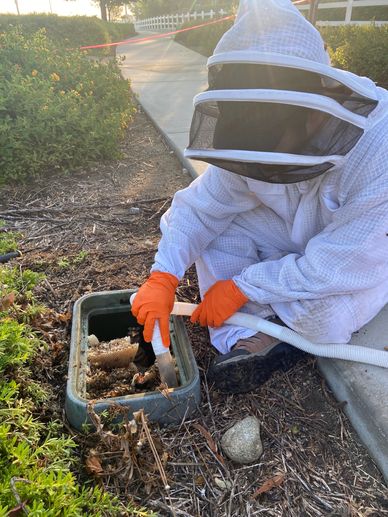
Honey bees play an important role in agriculture by helping pollinate many of the crops that contribute to our food supply. Whenever practical and appropriate, BeeDoctor recommends the safe, humane relocation of healthy honey bee colonies from populated areas. Responsible relocation can help preserve managed pollinators while protecting people and property. If you'd like to learn more about the importance of pollinators, the USDA offers educational resources on honey bees, pollination, and pollinator conservation.
Do you kill bees?
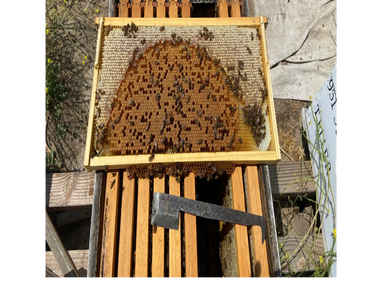
Bees are among the world's most important pollinators. Across the globe, there are more than 20,000 known bee species, each contributing to healthy ecosystems in different ways. In California alone, more than 1,600 native bee species help pollinate wild plants, while managed honey bees play a critical role in the pollination of many agricultural crops. Without bees, the variety, availability, and affordability of many fruits, vegetables, nuts, and seeds would be significantly affected. BeeDoctor believes protecting pollinators begins with education, responsible stewardship, and the humane relocation of healthy honey bee colonies whenever practical and appropriate.
Can I remove the bees myself?
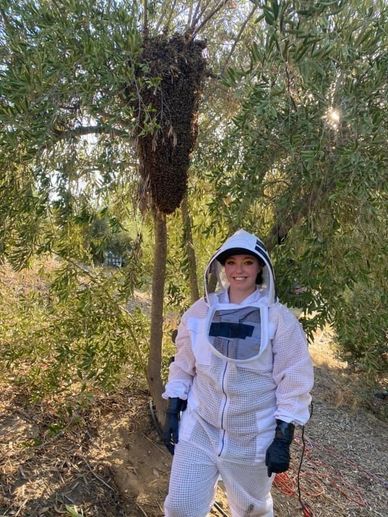
This is one of the most common questions we receive. BeeDoctor does not recommend attempting to remove an established honey bee colony yourself. Honey bees can become defensive when their nest is disturbed, and improper removal may increase the risk of stings, property damage, or incomplete colony removal. For your safety and the well-being of the bees, we recommend contacting a professional live honey bee removal specialist to properly evaluate and remove the colony.
Do you keep Bees?
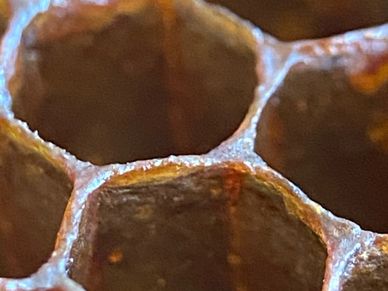
Yes, we are beekeepers first and foremost. All of BeeDoctor Bee Removals' jobs are kept in-house where we domesticate the bees and utilize them for pollination and honey production.
Do you carry insurance?
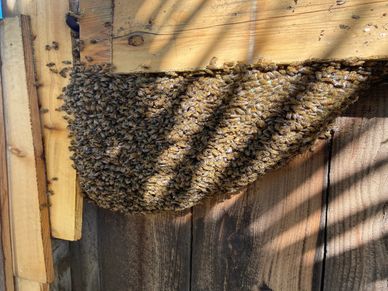
When choosing a bee removal company, ask about its insurance coverage. Professional bee removal companies should carry appropriate liability insurance to help protect both the property owner and the business. If the company has employees, workers' compensation insurance is also an important safeguard. Don't hesitate to ask for proof of insurance before work begins.
What should I beware of?
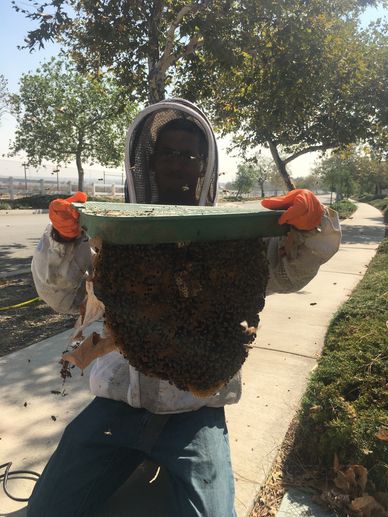
Ask what happens to the colony after it is removed. A professional live honey bee removal company should be able to explain how healthy colonies are evaluated, where they will be relocated if relocation is appropriate, and who will be responsible for their ongoing management. If a company cannot clearly explain its relocation process or the destination of the bees, homeowners should ask additional questions before authorizing the work.
In Southern California, where Africanized honey bee (AHB) genetics are well established in the feral population, responsible colony management is especially important. Not every feral colony is suitable for relocation or integration into a managed apiary. Professional beekeepers should evaluate factors such as colony health, temperament, queen quality, disease concerns, and genetics before deciding whether a colony should be rehabilitated, requeened, managed under controlled conditions, or handled using another appropriate management approach.
BeeDoctor believes responsible live honey bee removal extends beyond removing a colony from a structure. It includes evaluating the colony, maintaining traceability whenever practical, and managing relocated colonies in accordance with applicable laws, regulations, and accepted beekeeping practices. Our goal is to protect public safety, support responsible pollinator stewardship, and promote healthier managed honey bee populations.
Protecting People • Preserving Pollinators • Serving Souther
Are Honey Bees Native?
Why did the bees chose my home?
Are Honey Bees Native?

Honey bees (Apis mellifera) are not native to North America; they were introduced by European settlers and are now an important managed agricultural species. While they are generally not protected in the same way as many native wildlife species, they are economically important because they provide pollination services for numerous agricultural crops. For that reason, BeeDoctor's preferred approach is to safely relocate healthy honey bee colonies whenever practical and appropriate, while always considering public safety, colony health, and applicable laws and regulations.
How Can I Help?
Why did the bees chose my home?
Are Honey Bees Native?
If you really want to help the bees, leave the sugar syrup feeding to the beekeepers. Instead, help create natural forage by allowing flowering plants to bloom before mowing. Dandelions, clover, and many native wildflowers provide valuable nectar and pollen for both managed honey bees and California's more than 1,600 native bee species. Small changes in your yard can have a big impact on local pollinators.
Why did the bees chose my home?
Why did the bees chose my home?
Local Pest Control, Or Live Bee Removal?
Honey bees don't choose a home at random. Scout bees are constantly searching for protected cavities that provide shelter from the weather, predators, and the elements. Gaps in roofs, walls, chimneys, eaves, vents, utility penetrations, and other structural openings can provide ideal nesting sites.
Once a colony becomes established, it leaves behind wax, propolis, and colony pheromones that can attract future swarms to the same location—even years after the original colony is gone if the cavity is not properly cleaned and repaired.
Professional live bee removal should address more than just the visible bees. Removing honeycomb and residual materials when appropriate, sealing entry points, and maintaining your home can help reduce the likelihood of future colonies occupying the same space.
Routine home maintenance, combined with proper hive removal and structural repairs, is one of the best ways to help protect your property from future honey bee infestations.
Local Pest Control, Or Live Bee Removal?
Local Pest Control, Or Live Bee Removal?
Local Pest Control, Or Live Bee Removal?
While extermination may appear to be a less expensive short-term option, it often does not address the underlying cause of the problem. If honeycomb, wax, honey, colony odors, and structural entry points remain, future swarms may be attracted to the same location. In our experience, complete hive removal, proper cleanup, and sealing of entry points provide a more effective long-term solution for helping reduce the likelihood of reinfestation.
Do you exterminate Wasp / Hornet?
Local Pest Control, Or Live Bee Removal?
Do you exterminate Wasp / Hornet?
Wasps, hornets, and honey bees all belong to the insect order Hymenoptera. Although they are closely related, they serve different ecological roles. Many wasps and hornets are beneficial predators that help control pest insects, and numerous species also contribute to pollination by visiting flowers for nectar. Like honey bees, they play an important part in maintaining healthy ecosystems.
Can I Plant Anything?
Local Pest Control, Or Live Bee Removal?
Do you exterminate Wasp / Hornet?
Yes. A diverse landscape with flowering plants can provide valuable nectar and pollen for pollinators throughout the year. Many non-native ornamental plants are used by managed honey bees and some native pollinators, while California native plants are especially important for supporting our state's unique pollinator species. When selecting plants, choose non-invasive species and help prevent invasive plants from spreading into natural habitats. By creating pollinator-friendly landscapes with a variety of blooming plants, homeowners can help support both California's native pollinators and responsibly managed honey bee colonies.